
Crafting Nature's Beauty: Decorating with Crochet Flowers and Ceramic Products
In this blog, we'll explore how crochet flowers can be used to decorate and enhance ceramic items, creating pieces that bring the beauty of the outdoors into our homes in delightful ways.
Joyye 2024 Spring Canton Fair Invitation
Meet the Joyye Team at the Spring Canton Fair 2024!
From Bunnies to Blooms: Incorporating Easter Elements into Your Home Decor
As Easter approaches, it's time to infuse your home with spring's vibrant colors and cheerful symbols. From adorable bunnies to blooming flowers, Easter offers a wealth of inspiration for creating a festive atmosphere in your living space.
Valentine's Day Gift Ideas: Cheers to Love with Heartwarming Mugs
Although 2024 Valentine's Day has passed, it's still the perfect time to ignite love and celebrate the cherished bond you share with your significant other. Join us as we explore delightful Valentine's Day gift ideas.
Ceramic vs. Other Materials: Why Choose Ceramic Homeware?
Ceramic vs. Other Materials: Why Choose Ceramic Homeware?

1. Timeless Elegance and Beauty

2. Versatility in Design and Style

3. Durability and Longevity
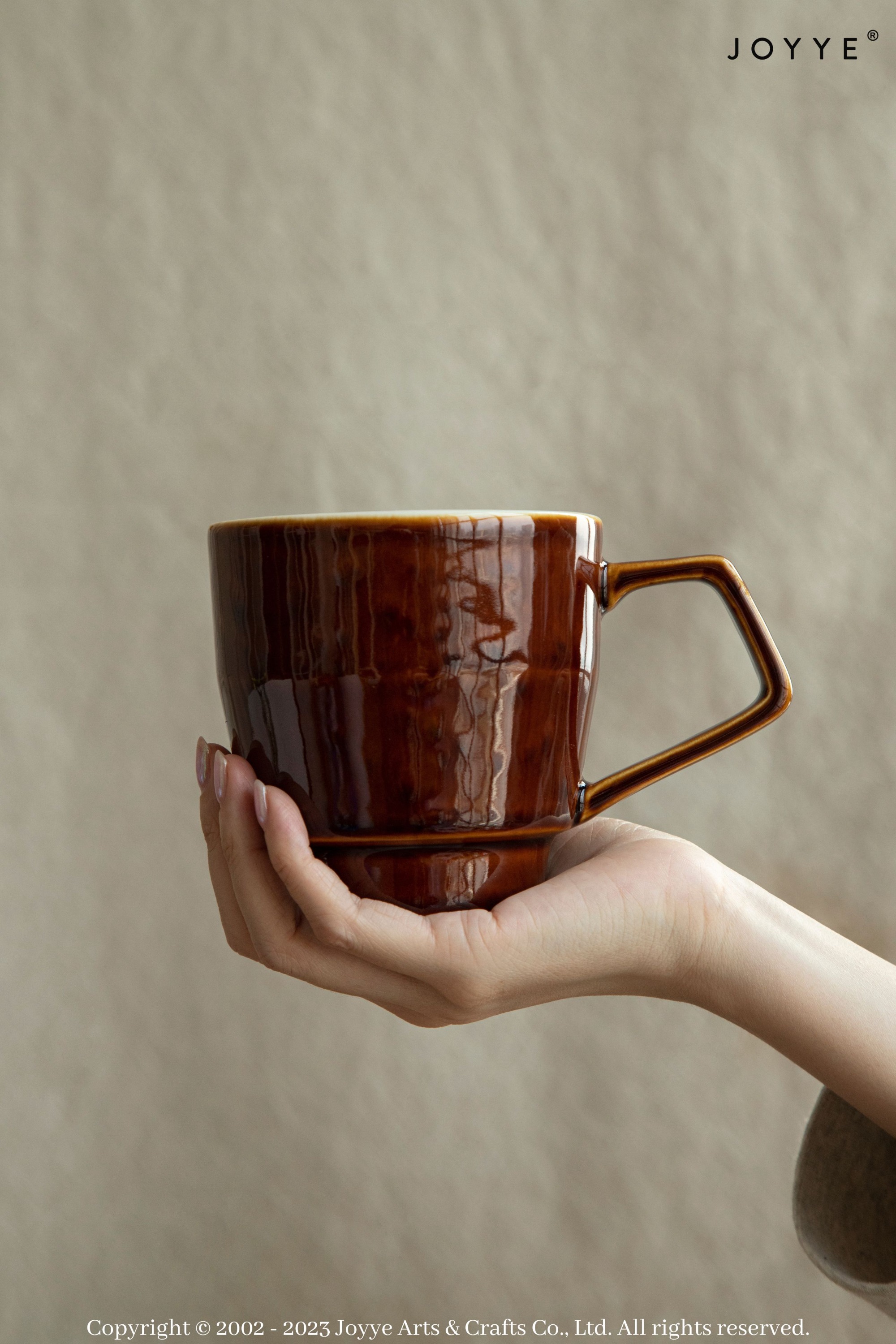
Ceramic is a durable material, making it an excellent choice for homeware that can withstand the test of time. High-quality ceramic homeware is resistant to scratches, stains, and fading, ensuring that your pieces remain pristine for years. Unlike other materials that may wear down or degrade over time, ceramic homeware retains its beauty and functionality even with regular use. This durability makes ceramic a practical investment for homeowners looking to furnish their spaces with long-lasting and reliable pieces.
4. Heat and Temperature Resistance
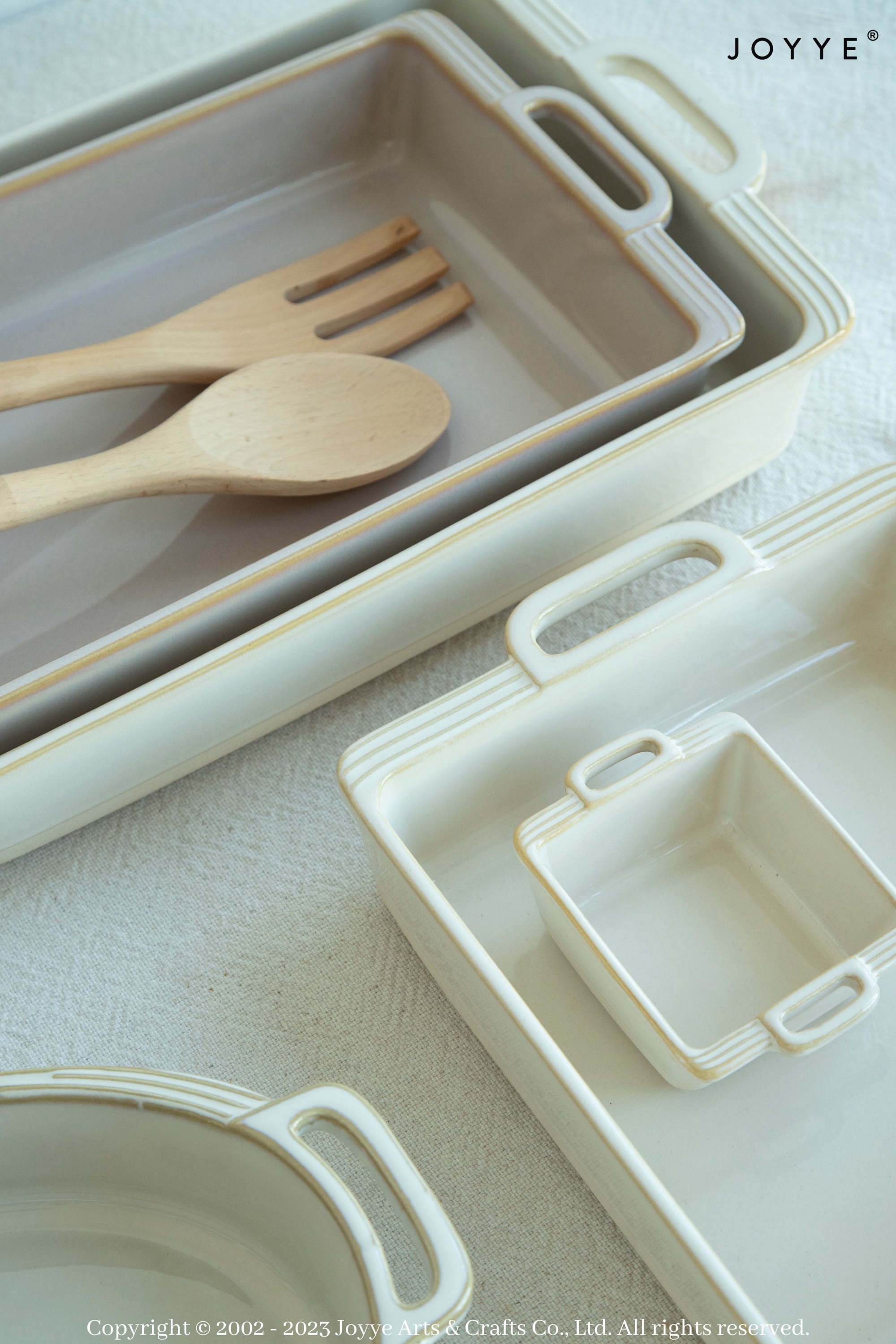
Ceramic homeware is well-known for its heat and temperature resistance. This characteristic makes it perfect for use in the kitchen and dining area, where it can be exposed to high temperatures during cooking and serving. Ceramic dishes and bakeware can go from the oven directly to the table, keeping your food warm and adding a touch of elegance to your dining experience. The heat-retaining properties of ceramic also make it an excellent choice for coffee mugs and teapots, allowing you to enjoy your favorite hot beverages at the perfect temperature.
5. Non-Toxic and Safe for Food Use
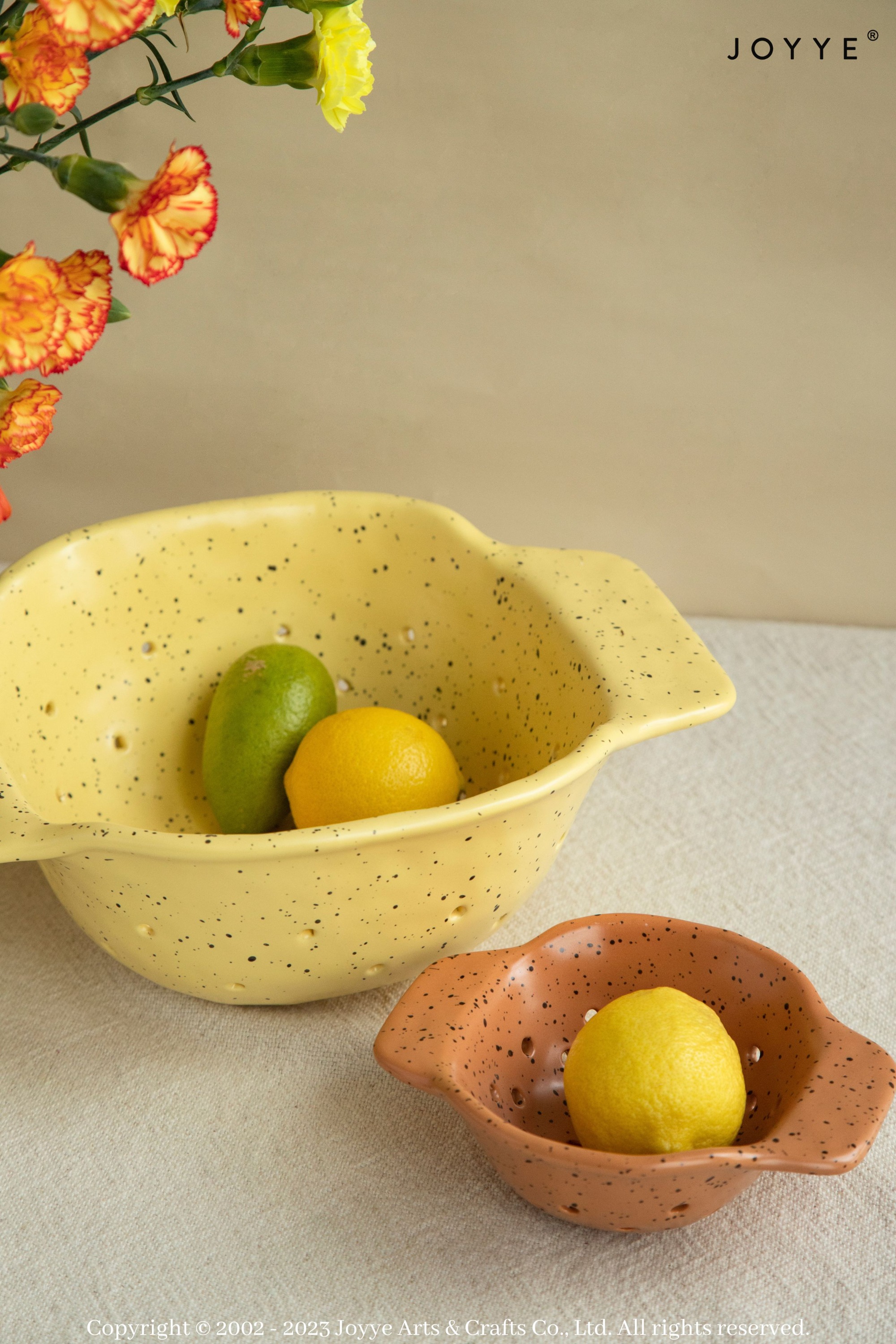
Another significant advantage of ceramic homeware is that it is non-toxic and safe for food use. High-quality ceramic pieces are lead-free and stay away from harmful chemicals getting into your food or drinks, ensuring the safety and health of you and your family. Additionally, ceramic is non-reactive, meaning it won't alter the taste or texture of your food, allowing you to savor the flavors without any interference.
6. Eco-Friendly and Sustainable

7. Easy to Clean and Maintain
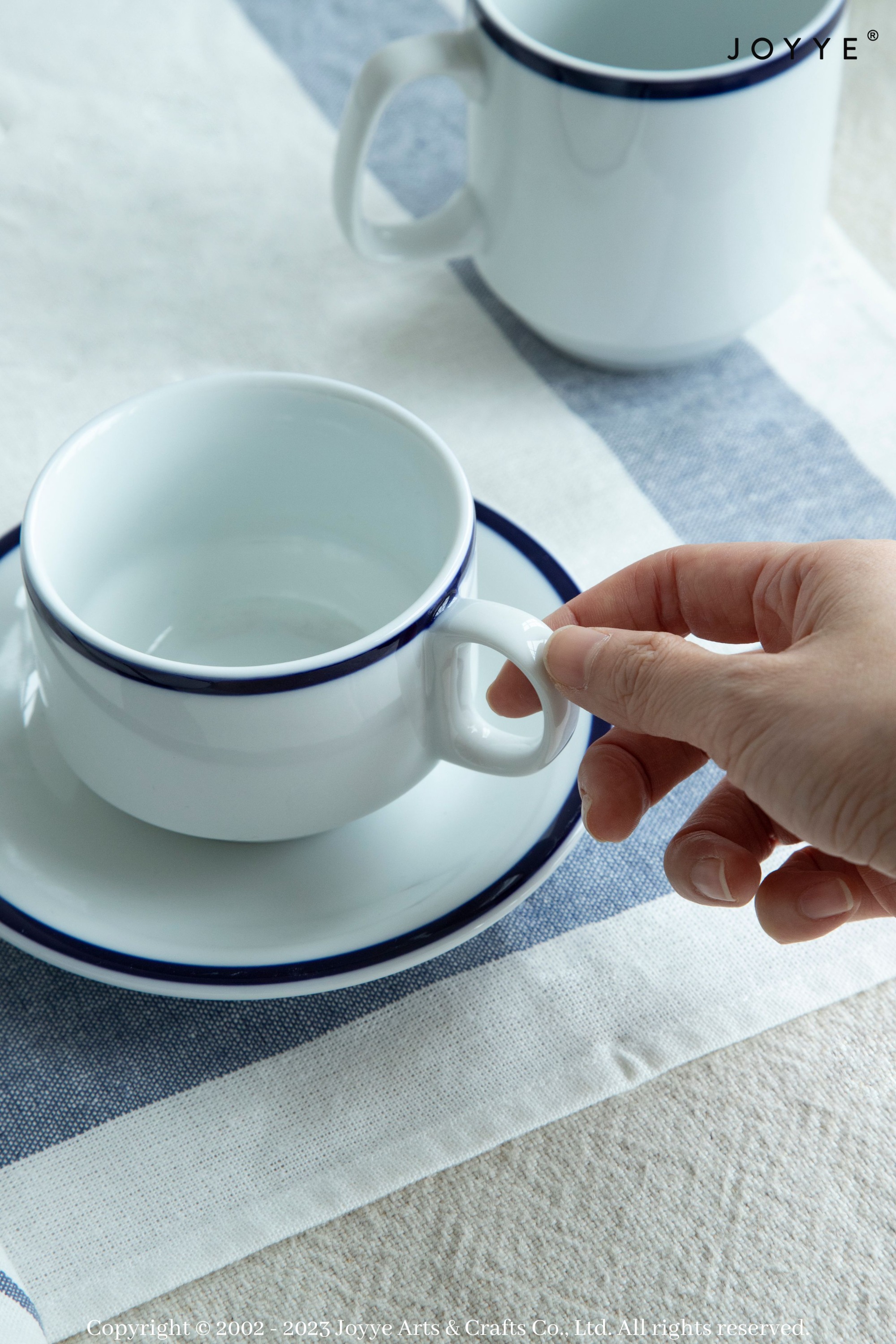
Cleaning and maintaining ceramic homeware are relatively simple tasks. Most ceramic pieces can be safely cleaned in a dishwasher, making it convenient for busy households. A gentle detergent and a soft sponge are sufficient for handwashing to keep your ceramic homeware looking its best. Unlike some materials that require special care or polishing, ceramic homeware is low-maintenance and easy to keep clean and pristine.
So, the next time you're shopping for homeware, consider the beauty and benefits of ceramic and let its allure enrich your home. Joyye provides professional one-stop services on ceramic homeware. Reach us at https://www.joyye.com/ for more details.
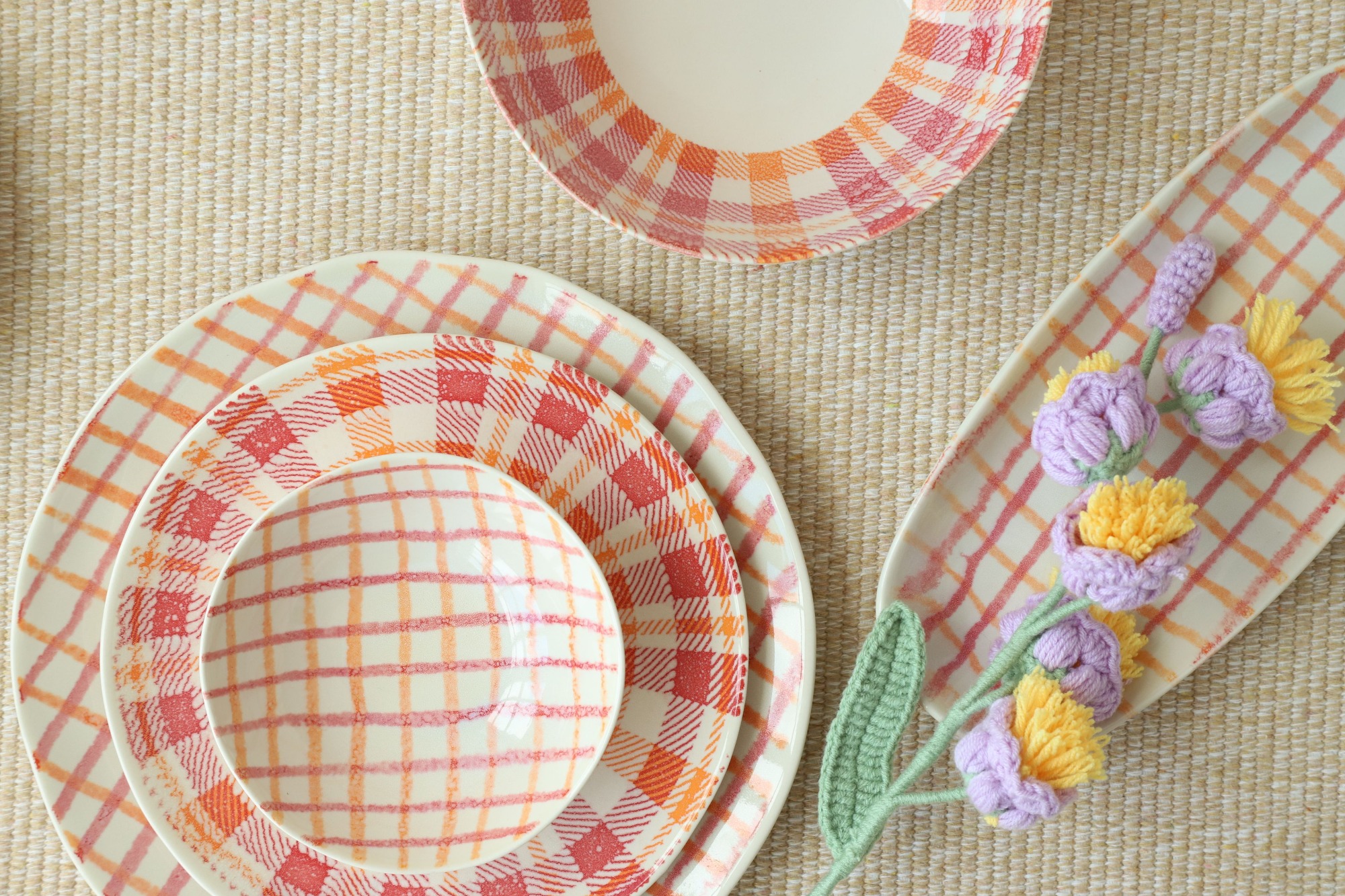 Crafting Nature's Beauty: Decorating with Crochet Flowers and Ceramic Products
 Joyye 2024 Spring Canton Fair Invitation
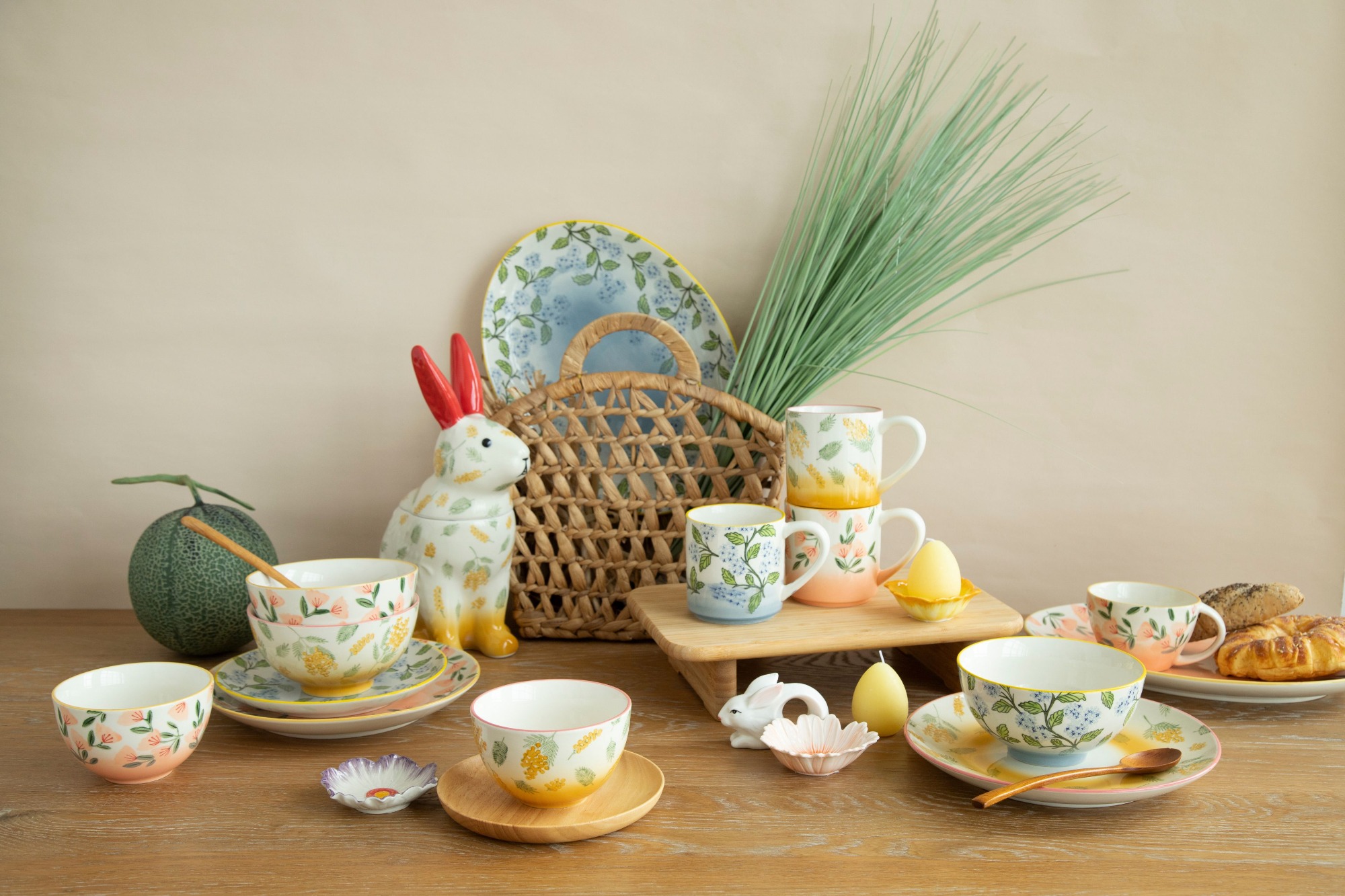 From Bunnies to Blooms: Incorporating Easter Elements into Your Home Decor
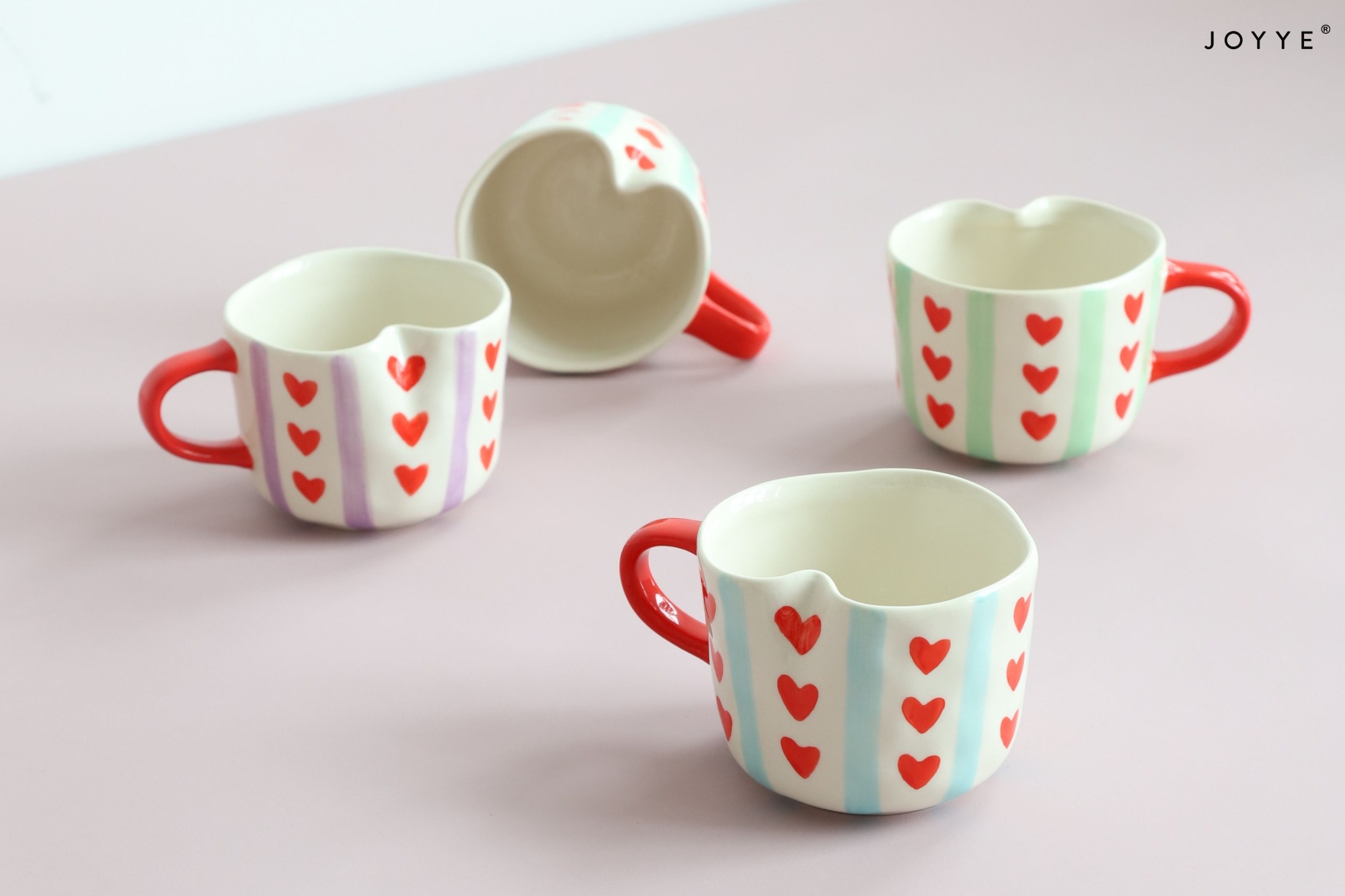 Valentine's Day Gift Ideas: Cheers to Love with Heartwarming Mugs