
Ceramic Tableware MOQ: Molds, Packaging & Price Breaks
Learn how ceramic tableware MOQ is determined by molds, production methods, glaze colors, decoration, packaging and quantity price breaks.
OEM vs ODM Ceramic Tableware: Which Model Is Right for Your Brand
Compare OEM and ODM ceramic tableware by design control, molds, MOQ, cost, lead time, IP, quality control and the best fit for your brand.
B2B Ceramic Plate Sizing Standards for Custom Dinnerware Manufacturing
A B2B guide to ceramic plate dimensions, manufacturing tolerances, firing shrinkage, stackability, packaging and custom dinnerware specifications.
Restaurant Dinnerware Testing: Durability & Commercial Washing
Restaurant-grade dinnerware is ware that meets a buyer-defined commercial-use specification. A credible approval combines repeatable impact and thermal tests, stable stacking, resistance to washing and staining, dimensional checks, food-contact evidence a
Restaurant Dinnerware Testing: Durability & Commercial Washing
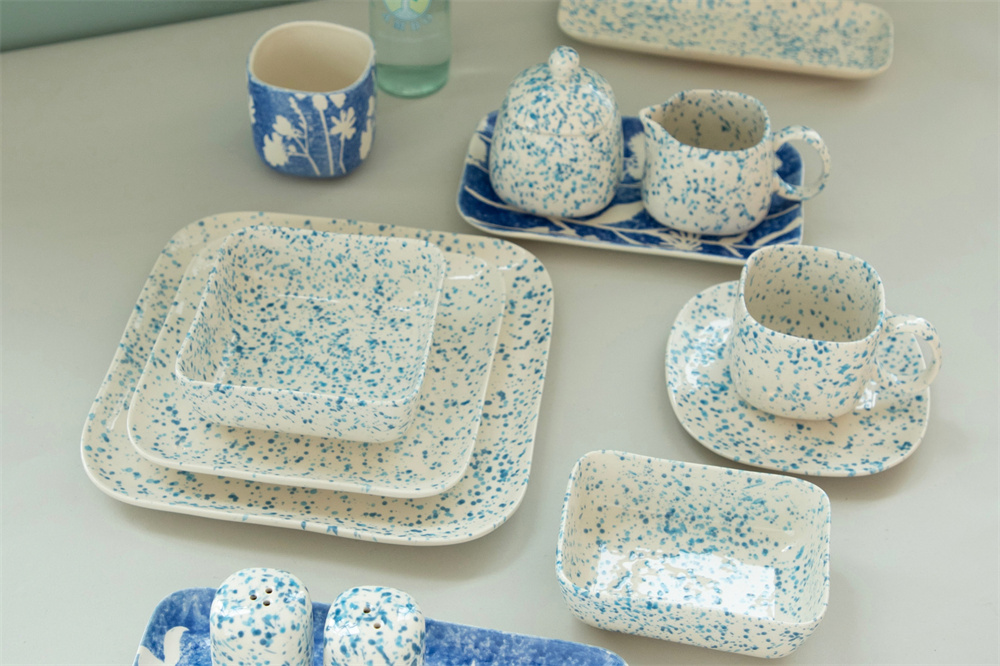
A plate can look flawless in a showroom and still become expensive in service. The vulnerable rim meets rack pegs, bus tubs and neighboring plates hundreds of times. The foot ring rubs a glazed surface every time a stack moves. Hot food, cold garnishes and repeated wash cycles expose weaknesses that a retail ‘dishwasher safe’ label was never designed to describe.
From our experience developing ceramic tableware for hospitality and commercial projects, restaurant-grade performance is best treated as a complete product specification—not simply a material label. Porcelain, stoneware and other ceramic bodies can all work in hospitality when the body, shape, rim, foot, glaze and decoration are developed around the venue’s real handling and cleaning conditions.
Short answer: Restaurant-grade dinnerware is ware that meets a buyer-defined commercial-use specification. A credible approval combines repeatable impact and thermal tests, stable stacking, resistance to washing and staining, dimensional checks, food-contact evidence and a plan for consistent reorders. No single material name or supplier claim proves all of those outcomes.
What should a restaurant dinnerware durability test verify?
Commercial service compresses a great deal of wear into a short period. Plates are moved in stacks, loaded into racks, exposed to stronger cleaning chemistry and returned to service quickly. One failure affects more than the piece itself: a sharp chip creates a safety issue, an unstable stack slows staff, and an unavailable replacement item can leave a restaurant with mismatched place settings.
The right question is therefore not ‘Is this porcelain?’ or ‘Is it heavy?’ It is ‘What conditions must this item survive, and what evidence will we accept before approving the order?’ Thickness can protect one profile and create stress or handling problems in another. A dense body can still chip at a poorly resolved edge. A beautiful reactive glaze can be entirely appropriate for one venue and unnecessarily difficult to maintain in another.
|
|
|---|
| Service condition | Design question | Evidence before approval |
| High-frequency clearing and washing | Where will pieces strike racks, tubs or each other? | Defined impact points, dishwasher conditions and post-test inspection |
| Tight shelving or plate dispensers | How high and stable is the working stack? | Measured stack height, lean, movement and equipment fit |
| Hot pass and rapid temperature change | What is the realistic hot-to-cold or cold-to-hot transition? | Controlled thermal transition based on intended use |
| Distinctive glaze or decoration | Will cutlery, detergent or food acids change the surface? | Before-and-after photographs and agreed appearance limits |
| Multi-site replenishment | Can later batches match the approved item? | Signed specification, golden sample and reorder tolerances |
Current standards can help a buyer select methods, but they do not remove the need for a project-specific acceptance plan. For example, ASTM C368 addresses impact resistance of ceramic tableware, while ISO 5644:2024 covers specifications and test methods for porcelain tableware. The applicable method, edition, laboratory and pass criteria should be written into the purchase specification rather than implied by the phrase ‘restaurant quality.’
Test edge-chip resistance at the points that actually take the hits
In product development, the rim is usually the first area we examine because it receives repeated contact from racks, tubs and neighboring pieces. “Chip resistant” is not a useful approval criterion on its own: a flat rim, rolled edge, thin coupe profile and irregular hand-finished shape distribute impact differently. The supplier and customer should therefore agree on likely contact points and keep orientation, support and impact conditions consistent.
Build a repeatable impact plan
1. Select representative samples from the intended construction and production state, not only hand-picked development pieces.
2. Mark the impact locations. Include the thinnest or most exposed points and any corner or directional feature on non-round ware.
3. Use the same support, orientation and calibrated impact method for every specimen. Record the method and equipment rather than reporting only ‘passed.’
4. Classify the result: glaze flake, visible body chip, crack, complete fracture or no visible damage. Photograph the location at a consistent scale.
5. Inspect again after the agreed delay. A crack or glaze defect may become easier to see after the initial impact.
At JOYYE, we believe durability discussions should start with failure criteria that the supplier and customer define together before production approval. A tiny glaze loss may be unacceptable on a dark fine-dining plate even when the body remains intact, while a structural crack is always a failure. The acceptance rule also needs a sample quantity and permitted number of failures; otherwise, one favorable piece says little about the consistency of the design.
Design changes should follow the failure mode. If the body consistently chips at one narrow transition, simply adding overall weight may not solve the problem. The better response may be to soften the edge geometry, redistribute local thickness, modify the foot or reduce a vulnerable projection while preserving the design intent.
Separate thermal shock from microwave and oven claims
Thermal shock occurs when part of a ceramic piece changes temperature faster than another part and the resulting stress exceeds what the body-glaze system can tolerate. It is not the same claim as microwave safe, oven safe or dishwasher safe. Each exposure has a different heat source, rate of change and failure mechanism.
When we review thermal performance, we start with the restaurant’s real transition: a warmed plate receiving a cold component, a bowl moving from chilled storage to a hot pass, or ware entering a wash process soon after service. Each scenario may require different conditions. Samples should be conditioned consistently, exposed to a controlled temperature difference, and inspected for body cracks, glaze crazing, loss of adhesion and delayed failure.
Avoid copying a temperature difference from a competitor’s specification without understanding the method. The same number can produce different stress when the item geometry, soak time, transfer time, medium and inspection rule change. If progressively larger temperature differences are used during development, the increments and stopping rule should be approved before testing.
A sound report states the starting condition, target condition, transfer time, number of cycles, sample count and observed result. ‘No breakage’ is incomplete if no one can reconstruct the exposure.
Treat stackability as a measured geometry problem
From a manufacturing perspective, stackability is a geometry and tolerance question—not a yes-or-no feature. A stack can look tidy on a sample-room table yet lean on a service cart, lock together after washing or place an unglazed foot ring against a decorated eating surface. Foot-ring diameter, rim contact, profile repeatability and the permitted production variation all need to work together.
| Stack check | What to record | Why it matters |
| Working stack | Buyer-selected count, total height and height per added piece | Confirms shelf, dispenser and transport capacity |
| Lean and movement | Horizontal offset, rocking and response to a light controlled movement | Reveals instability before staff move a loaded stack |
| Contact map | Where foot, rim and glazed surfaces touch | Identifies rubbing, marking and pressure points |
| Release | Whether pieces separate smoothly when dry and after washing | Prevents service delays and forced separation |
| Equipment fit | Dishwasher rack, shelf, cart and plate-dispenser clearance | Connects sample geometry to the actual kitchen |
Test more than one stack. If a 10-piece stack is stable only when the best samples are deliberately ordered, the dimensional tolerance may be too broad for mass production. For organic or irregular profiles, mark rotational orientation and test the worst credible combination rather than arranging the pieces for the best photograph.
A household dishwasher claim is not a commercial wash specification
Commercial cleaning can combine short cycles, repeated heat, strong detergent, rinse chemistry and frequent handling. At JOYYE, we look beyond generic dishwasher-safe labels when developing decorated hospitality ware and discuss the intended machine, chemistry, temperatures, cycle count and loading arrangement with the customer.
Inspect the same defined locations before and after exposure. Look for loss of gloss, color change, decal erosion, metallic-decoration oxidation, increased roughness, water marking and changes around exposed clay or foot rings. A piece can remain structurally intact and still fail commercially because the surface becomes difficult to clean or visually inconsistent.
Match the finish to the way the venue will use it
Surface performance is where visual design and operations meet. A mark on a glossy white glaze is not the same failure as a scratch through a matte surface. Reactive and hand-applied finishes also contain intentional variation, so the approved sample set must distinguish acceptable character from a production defect.
| Finish | Commercial-use question | Useful verification |
| Glossy glaze | Are metal marks removable without damaging gloss? | Controlled cutlery contact, cleaning method and reflected-light photographs |
| Matte glaze | Will abrasion or staining create visible polished or darkened areas? | Before-and-after surface comparison under consistent lighting |
| Reactive glaze | How much color and pattern variation is acceptable across a place setting? | Approved range samples and batch-level visual limits |
| Hand-painted or decal decoration | Is the decoration in a high-wear or food-contact area? | Placement review plus wash and abrasion evidence |
| Embossed or debossed texture | Can food soil or water collect in recesses? | Cleaning trial, stain exposure and close inspection |
Joyye’s public materials describe a team that includes graphic designers, ceramic sculptors and hand painters, along with reactive, matte, embossed, debossed and hand-painted product capabilities. For a hospitality project, the commercial value of that range lies in design-for-service decisions: keeping the intended visual identity while moving decoration away from high-wear contact, resolving exposed edges and setting an honest range for handcrafted variation. Those decisions should be captured in the signed specification, not left as verbal preferences.
Test stains and food acids with realistic contaminants
Colored water is a weak substitute for restaurant use. Select contaminants that reflect the menu: coffee, tea, tomato sauce, curry, red wine, citrus, vinegar and oil are common candidates. Define the contact time, temperature, cleaning product and cleaning action. Then record residual color, odor, roughness or visible surface change.
Pay close attention to unglazed feet, deliberately exposed clay, textured recesses and any line where glaze coverage changes. These areas may behave differently from the main eating surface. If a finish requires a special cleaning routine, the restaurant needs to know before launch, not after staff have already adopted a harsher method.
Measure warpage and dimensions before judging the stack
Stack tests reveal the symptom; dimensional checks help explain the cause. Record diameter or length, overall height, weight, foot-ring dimensions and rim level using an agreed measurement method. Check each piece for rocking on a verified flat surface. The tolerance must relate to function: equipment fit, stack stability, plating area and compatibility with replacement orders.
A golden sample is useful only when supported by a written specification. A single sample cannot define every acceptable dimension or handcrafted variation. The approval package should therefore pair the physical reference with drawings, measurement points, tolerances, surface limits and photographs. Later production and reorders can then be checked against the same record.
Keep food-contact safety separate from durability
A durable plate is not automatically compliant for food contact, and a factory certificate does not replace a product-specific migration result. Glaze composition, decoration, firing and the intended market all matter. The test report should identify the exact item or representative product family, applicable method, laboratory, date and market requirement.
For example, ISO 6486-1:2019 specifies a method for measuring lead and cadmium release from ceramic ware intended for food contact. In the United States, FDA guidance addresses extractable lead and cadmium from ceramic foodware; in the European Union, ceramic articles fall under the relevant food-contact framework and specific migration requirements. As an export-oriented ceramic tableware manufacturer, JOYYE works with customers to identify the destination market and product category early, so the appropriate compliance route can be considered during product development and order preparation.
Management-system and social-audit credentials answer different questions. Joyye’s website lists factory credentials including ISO 9001, ISO 14001, BSCI and Sedex, and its production-base page describes food-contact compliance work. Together, these indicate a quality-managed production framework; project-specific body, glaze and decoration requirements should then be written into the product specification.
Carry the approved result into production
In our experience, development approval creates value only when the same criteria carry into production. We recommend a straightforward control route: align the signed specification and reference samples with the customer; verify critical dimensions and surface limits during production; inspect finished pieces against the same criteria; and confirm that packaging protects vulnerable edges in transport.
JOYYE’s manufacturing background spans more than 20 years in ceramic production, dedicated quality-control teams and a manufacturing base in Chaozhou. For restaurant groups, the value of that scale is practical: it helps our team reproduce an approved profile and finish across initial production and future replenishment. We recommend carrying the signed specification and retained reference sample into every reorder.
Convert test results into cost per service cycle
Unit price is easy to compare; operational cost is not. A lower-priced plate can become the more expensive choice when replacement freight, mismatched reorders and service disruption are included. We recommend using the restaurant’s own operating data rather than borrowing an industry breakage percentage.
Cost per service cycle = (initial purchase + replacement purchases + reorder freight + unusable stock and write-offs) ÷ completed service cycles
Run the calculation by item, not only by collection. A large platter may have a different handling risk and reorder pattern from a side plate. The purpose is not to turn a laboratory result into a guaranteed lifespan; it is to compare options using the costs the operation will actually carry.
Restaurant dinnerware testing checklist
| Approval item | Buyer must define | Evidence to retain |
| Edge impact | Method, locations, sample count and failure definition | Result sheet and scaled photographs |
| Thermal transition | Use scenario, temperatures, transfer time and cycles | Method record and immediate/delayed inspection |
| Stackability | Working stack count, equipment and stability limits | Height, lean, contact map and fit photographs |
| Commercial washing | Machine or method, chemistry, temperatures and cycles | Before-and-after appearance record |
| Abrasion and metal marking | Contact tool, force or method, cleaning rule and limit | Consistent close-up photographs |
| Stain and acid exposure | Contaminants, time, temperature and cleaning method | Residual stain and surface observations |
| Dimensions and warpage | Measurement points, tolerances and rocking limit | Inspection data and signed specification |
| Food-contact compliance | Destination market, product category and applicable method | Product-specific laboratory report |
| Packaging and reorders | Edge protection, transit method and matching requirements | Packaging approval and retained reference sample |
Frequently asked questions
What makes dinnerware restaurant grade?
Restaurant-grade dinnerware meets a defined commercial-use specification for durability, cleaning, stacking, dimensional consistency, food-contact safety and replenishment. The term should describe verified performance for a particular service environment, not simply the material or weight of the piece.
How is edge-chip resistance tested?
Representative pieces are supported and impacted under repeatable conditions at defined locations. The report should state the method, sample quantity, impact conditions and failure categories. Buyers should set project-specific acceptance criteria and use an applicable published method when conformity is required.
What is thermal shock in ceramic dinnerware?
Thermal shock is stress caused by a rapid and uneven temperature change within the ceramic body and glaze. Testing should reproduce the intended service transition and record temperatures, transfer time, cycles and any cracking, crazing or delayed failure.
Is dishwasher safe the same as commercial dishwasher safe?
No. A general dishwasher-safe claim may not describe commercial detergent, temperature, cycle frequency, loading or the appearance limit for a decorated surface. A hospitality buyer should approve a documented wash exposure that reflects the intended operation.
Why does stackability matter?
Stable, releasable stacks save space, reduce handling risk and help staff work quickly. A stack test also exposes inconsistent foot rings, rim contact, surface rubbing and dimensional variation that may not be obvious when a single sample is inspected.
Is porcelain or stoneware better for high-frequency restaurant use?
Neither material wins automatically. Body formulation, firing, geometry, glaze, decoration and process control all affect performance. Compare representative finished products against the same service-based tests instead of choosing by material name alone.
Need a technical review of your restaurant dinnerware specification?
Share the intended service environment, item drawings or samples, working stack height, commercial-washing conditions, decoration method and destination market. JOYYE’s ceramic development team can review the design against those conditions, flag likely rim, foot, glaze and stacking risks, and help turn them into a practical pre-production verification plan.
Request a Restaurant Dinnerware Technical Review
Best for restaurant groups, hospitality brands and distributors evaluating custom ceramic tableware before sample approval.
Related Joyye resources
Continue with Joyye’s commercial restaurant dinnerware guide, wholesale buyer’s guide, ceramic vs porcelain comparison, dishwasher-safe guide and tableware collection.
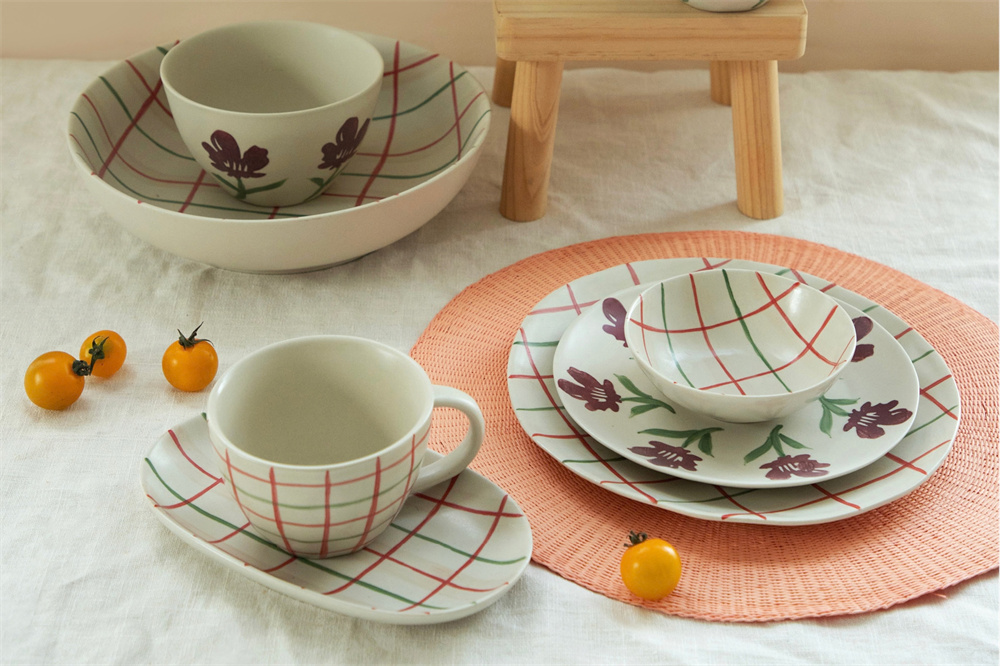 Ceramic Tableware MOQ: Molds, Packaging & Price Breaks
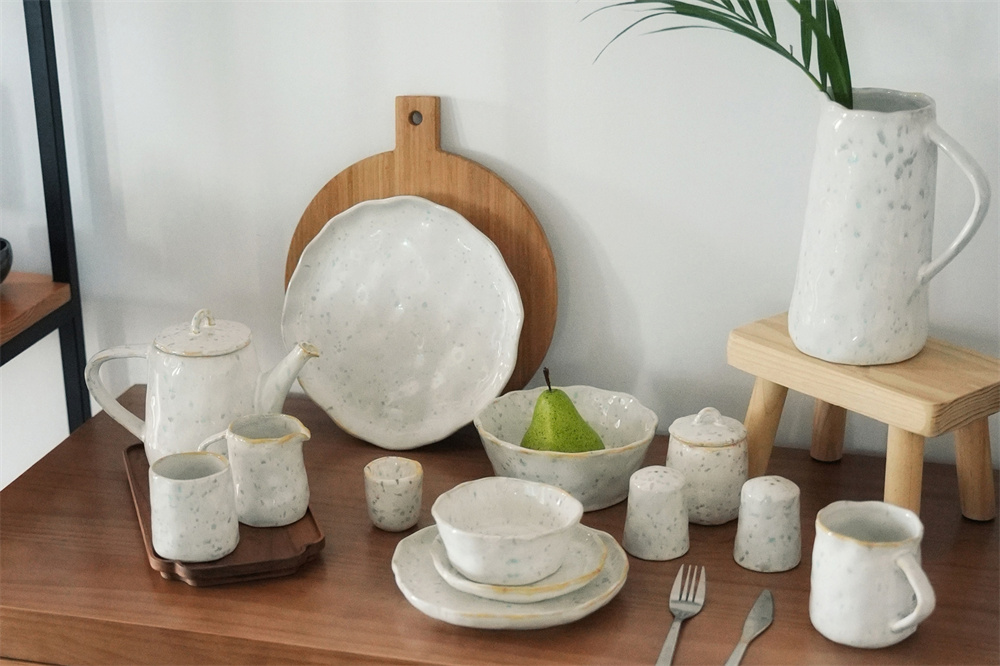 OEM vs ODM Ceramic Tableware: Which Model Is Right for Your Brand
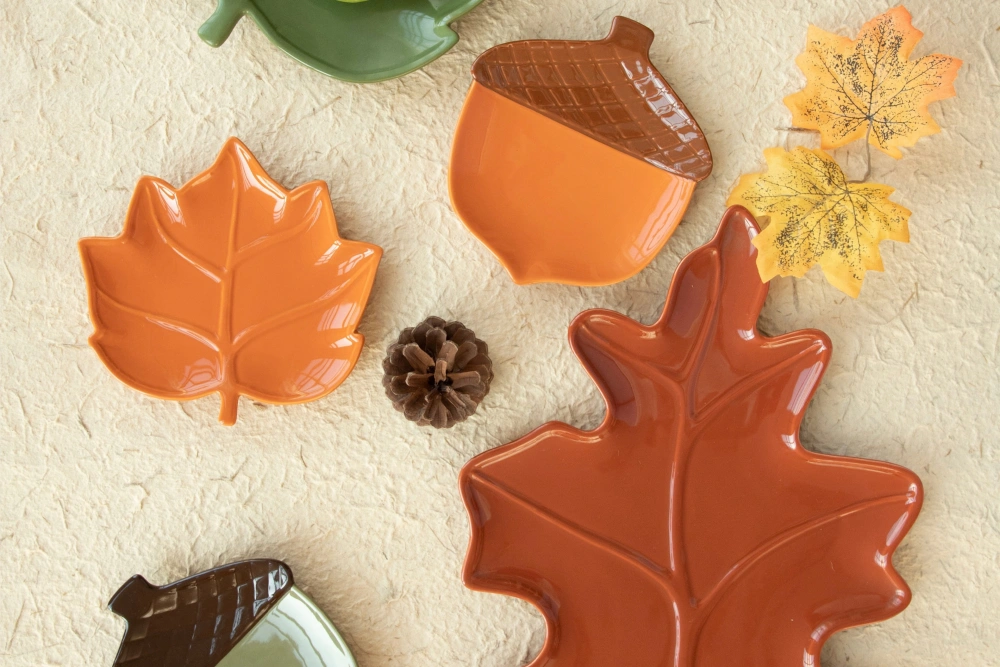 B2B Ceramic Plate Sizing Standards for Custom Dinnerware Manufacturing
 Interior Design Trends in Portugal for 2026: Colors, Materials & Ideas for Modern Homes