
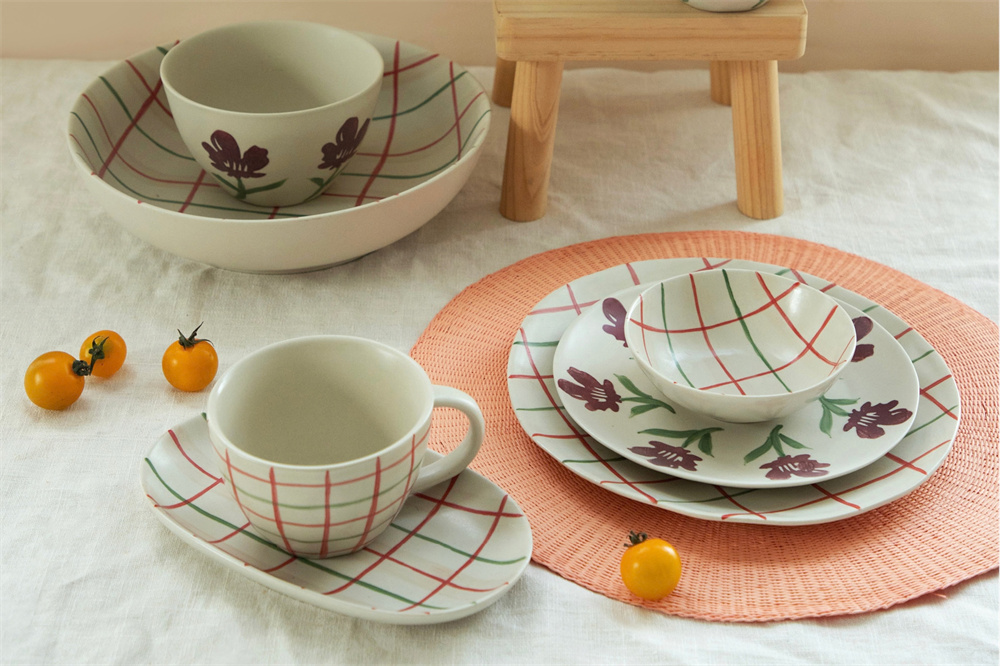
Ceramic Tableware MOQ: Molds, Packaging & Price Breaks
Learn how ceramic tableware MOQ is determined by molds, production methods, glaze colors, decoration, packaging and quantity price breaks.
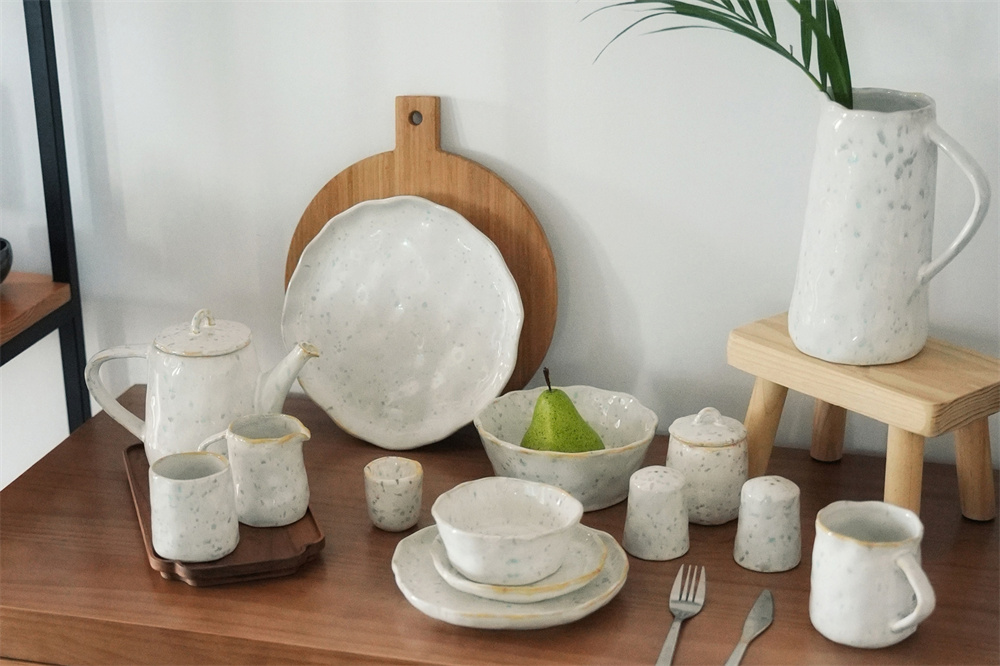
OEM vs ODM Ceramic Tableware: Which Model Is Right for Your Brand
Compare OEM and ODM ceramic tableware by design control, molds, MOQ, cost, lead time, IP, quality control and the best fit for your brand.
B2B Ceramic Plate Sizing Standards for Custom Dinnerware Manufacturing
A B2B guide to ceramic plate dimensions, manufacturing tolerances, firing shrinkage, stackability, packaging and custom dinnerware specifications.
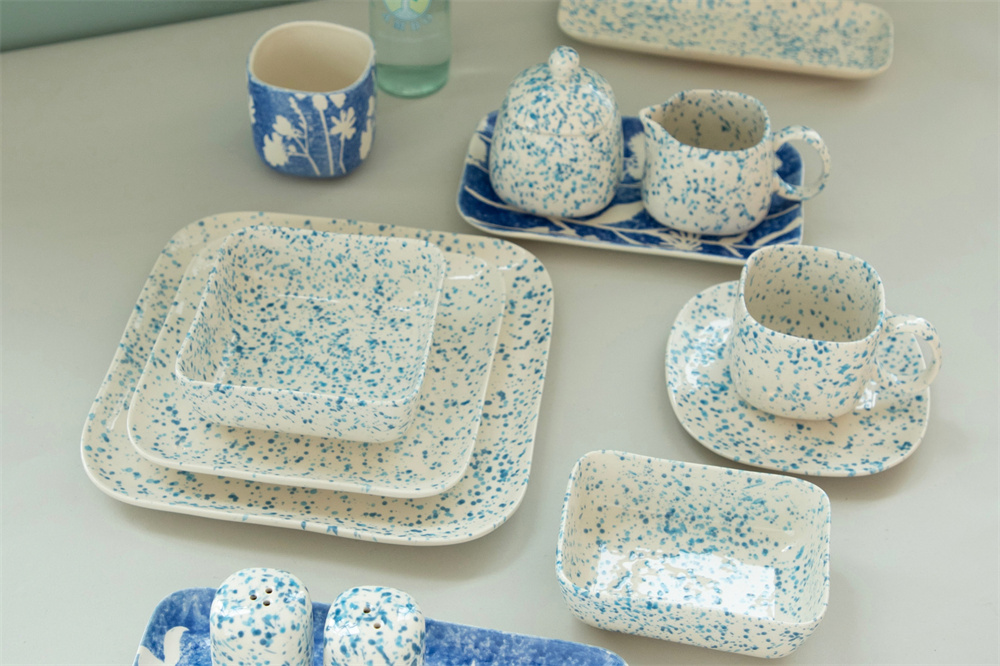
Restaurant Dinnerware Testing: Durability & Commercial Washing
Restaurant-grade dinnerware is ware that meets a buyer-defined commercial-use specification. A credible approval combines repeatable impact and thermal tests, stable stacking, resistance to washing and staining, dimensional checks, food-contact evidence a
B2B Ceramic Plate Sizing Standards for Custom Dinnerware Manufacturing
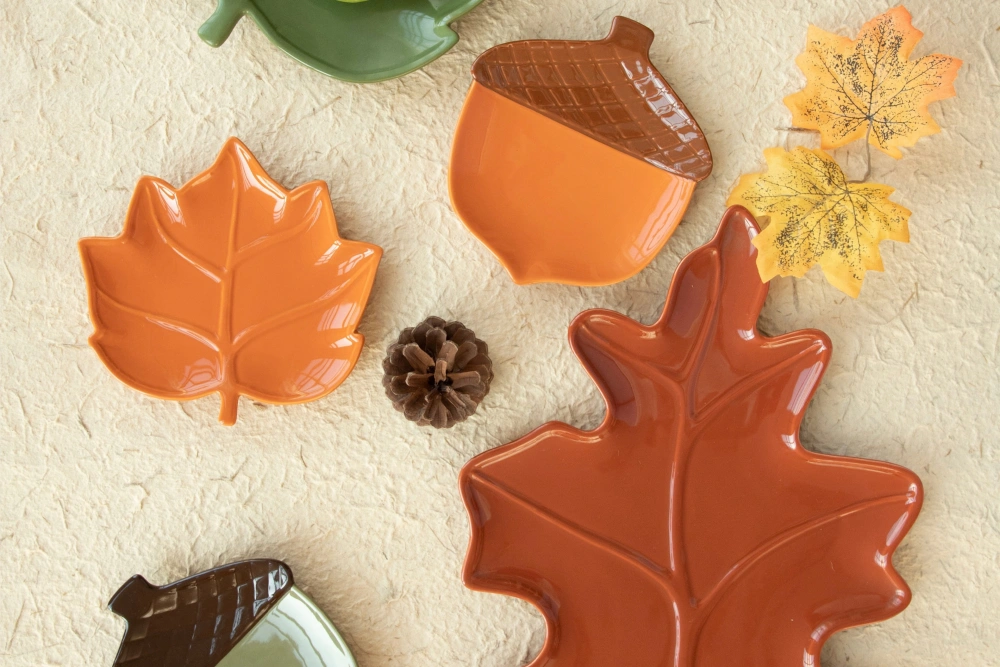
Buyers often arrive with a target diameter. In manufacturing, that number is only the starting point. B2B plate sizing standards for dinnerware manufacturing must connect the finished size to usable plating area, rim geometry, foot ring, fired height, weight, stack behavior and packaging. At JOYYE, we use those linked decisions to turn a design idea into a specification for custom ceramic plate development, allowing product development, production and inspection teams to work from the same requirements.
This is different from choosing a standard dinner plate for a home or restaurant. A common market size can guide the concept, but the signed product specification must control the order. It should state what is measured, when it is measured, which tool is used and what variation is acceptable for that body, shape and finish.
Short answer: B2B plate sizing standards are the signed dimensions, measurement methods, tolerances and functional limits used to approve a plate for production. They should describe the finished fired piece, not only a mold or reference sample, and connect the plate to its intended service, stack, equipment, packaging and replenishment needs.
Turn B2B plate sizing standards for dinnerware manufacturing into a finished product specification
There is no single global diameter that makes a plate "standard" for every buyer, market or channel. Common size ranges describe familiar product categories. Mandatory rules may govern areas such as food-contact safety, but they do not normally choose the diameter of a dinner plate for a brand. The commercial control document is the specification agreed between the customer and manufacturer. For custom dinnerware manufacturing projects, this specification becomes the shared reference between the buyer and ceramic plate manufacturer throughout development and production.
A useful specification begins with the finished fired piece. It records a nominal dimension, an allowed range, the measurement method and the acceptance rule. If the buyer only writes "10-inch plate," the development team still has unanswered questions: Is 10 inches the maximum diameter or the average of an organic edge? How wide is the rim? How much flat food area remains? Does the piece need to fit a rack, carton or existing collection?
In our experience, the fastest projects are not the ones with the shortest briefs. They are the ones that settle the few dimensions that drive every later decision. Once those are clear, the designer can protect the visual idea while the model maker, production team and inspector work from the same target.
Use common plate sizes as a market reference not a production rule
A reference chart is useful early in a project because it helps a buyer position an item and compare it with familiar categories. It should not be copied into a purchase order as though every range were mandatory. The figures below are approximate market references drawn from common dinnerware practice and JOYYE's existing plate-size guides.
| Plate type | Common diameter range | Typical use | B2B implication |
| Bread and butter | 6-7 in / 15-18 cm | Bread and small bites | Check table space, cup placement and set hierarchy. |
| Dessert | 7-8.5 in / 18-22 cm | Cake and desserts | Avoid an indistinct size step from the salad plate. |
| Salad | 8-9 in / 20-23 cm | Salads and starters | Confirm portion style and the relationship to the dinner plate. |
| Dinner | 10-12 in / 25-30 cm | Main course | Check racks, shelves, cabinets, plating area and carton width. |
| Charger | 12-14 in / 30-36 cm | Decorative base | Confirm table spacing and whether food contact is intended. |
| Pasta or soup | 9-12 in / 23-30 cm | Pasta, soup and stews | Specify well diameter, depth and working capacity. |
| Serving platter | 12-20 in / 30-51 cm | Shared dishes | Record length, width, weight, handles and packaging orientation. |
For consumer-facing context, see JOYYE's standard dinner plate sizes, types of plates and sizes and plate-size guide. This article goes further by explaining how a target size becomes a repeatable manufacturing specification.
Specify the dimensions that control how the plate works
Overall diameter is easy to discuss, but it can hide the dimensions that matter most in use. A wide-rim dinner plate may have the same external diameter as a coupe plate and offer much less usable food area. Two pasta plates may share a diameter while differing greatly in well depth and capacity.
For most custom plate projects, we recommend defining the following as a connected set:
1. Overall diameter for round plates, or overall length and width for oval and rectangular pieces.
2. Usable food area, well diameter and well depth where plating or liquid capacity matters.
3. Rim width, rim profile and edge condition, including any relief or hand-finished variation.
4. Overall height, foot-ring diameter, foot-ring height and the surface the foot is allowed to contact.
5. Piece weight and, for deep plates, a working capacity measured to an agreed fill level.
The goal is not to collect measurements for their own sake. Each field should answer a functional question. Usable area affects plating. Foot-ring geometry affects stacking and surface contact. Height affects shelf clearance. Weight affects service handling and freight.
Use one repeatable measurement method
A tolerance has little value if two inspectors measure the item differently. The specification should identify the reference surface, the measurement points, the tool and the condition of the sample. Fired ware should be cooled and conditioned before final dimensions are recorded. A ruler may be adequate for a broad overall size; a caliper, height gauge or flat reference surface may be needed for smaller features.
Round plates are normally controlled by diameter and circularity. For an oval plate, record maximum length and width. For a rectangular plate, add corner radius and, when functionally relevant, diagonal comparison or warpage. For an organic plate, record the longest and shortest overall dimensions and mark the orientation on the drawing so later inspectors do not search for a different measuring line.
The sample plan also belongs in the method. Record how many pieces are measured, whether they come from one firing or several, and how results are reported. An average alone can hide an outlying piece that will not fit a rack or carton.
Account for drying and firing shrinkage before approving the size
Ceramic dimensions change between the model, mold, formed body, dried greenware and fired piece. The final result depends on the body recipe, moisture, forming method, drying conditions, firing curve and geometry. That is why a mold diameter should never be copied into the finished-product specification.
We recommend working backward from the fired target. The first compensated model or mold is based on available development knowledge, but the fired sample supplies the project evidence. The team compares the result with the target, adjusts the model if needed and repeats until the plate meets both the dimensional and functional requirements.
A single published shrinkage percentage would be misleading. Different bodies and forming routes can behave differently, and a wide plate may not shrink or deform in the same way as a narrow bowl made from the same material. The useful record is the project's own model, greenware and fired measurement history.
Set tolerances by body forming method and geometry
A nominal size is the target. A tolerance defines the permitted variation around it. Neither should be approved without a measurement method and an acceptance rule. JOYYE does not recommend one universal tolerance for every ceramic plate because the achievable and useful range depends on the body, forming process, firing behavior, shape, edge treatment and decoration.
The table below is an illustrative specification structure, not a set of default limits.
|
|
|---|
| Control item | What the specification records | Acceptance basis |
| Overall size | Nominal diameter, or length and width; measurement orientation and tool | Project-specific upper and lower limits |
| Height and profile | Datum surface, overall height and key profile checkpoints | Fit with racks, shelves, cartons and the approved silhouette |
| Foot ring | Diameter, height, flatness and allowed contact location | Stable placement and no harmful contact in the stack |
| Weight | Target and permitted range after firing | Handling, balance, freight and consistency across the set |
| Organic edge | Maximum and minimum envelope plus approved boundary samples | Intended craft variation separated from rejectable distortion |
| Stack | Piece count, total height, lean, release and surface contact | Operational limit agreed for service, storage and packing |
For hand-finished edges, embossed rims and reactive surfaces, numbers may not describe the whole acceptance boundary. In those cases, the signed golden sample and approved range samples help the buyer and inspector distinguish designed variation from a dimensional defect.
Change the specification for round oval rectangular and organic plates
Geometry changes the control plan. A round plate may need diameter, circularity and rim-level checks. An oval plate needs a consistent long-axis and short-axis measurement. Rectangular pieces introduce corner radius, diagonal relationship and corner lift. Organic forms need an agreed envelope and a drawing that shows where maximum and minimum dimensions are taken.
This is also where brand character can be lost through overcorrection. If every softly irregular edge is treated as a defect, the product stops looking handmade. If no boundary is set, pieces may no longer nest, stack or fit the package. Our preferred solution is to pair measurable limits with approved visual samples so the craft intent remains visible without leaving acceptance open to interpretation.
Treat weight balance and stackability as sizing requirements
Plate size affects more than shelf space. A larger diameter changes leverage in one-hand service. A thicker rim can improve perceived strength while increasing weight. A smaller foot ring can change balance and concentrate contact pressure. These choices should be reviewed together rather than optimized separately.
For hospitality projects, we ask how many pieces form a working stack and where the stack will be used. Ten pieces may be enough for a concept check; a buyer may require a larger stack for a trolley, shelf or dispenser. Record total height, lean, rocking, release after washing and every contact point between the foot ring, rim and decorated surface.
The same method should be used for replenishment batches. A new batch can meet individual diameter limits and still stack poorly with earlier ware if the foot ring, profile or pitch has drifted. Compatibility with the retained golden sample therefore matters as much as a single measurement.
For a related performance review, see our restaurant dinnerware durability testing guide.
Size the collection for its channel and use
Hospitality and retail buyers often use the same words for different priorities. A restaurant may care about rack clearance, pass space, trolley handling, plating area and rapid stacking. A retail brand may care more about cabinet depth, household dishwasher fit, e-commerce descriptions and a clear visual step between the dinner plate, side plate and bowl.
At JOYYE, we recommend reviewing the collection as a family before freezing any one item. If the dinner and side plates are too close in diameter, the set can feel visually repetitive and confuse online customers. If the step is too large, the smaller plate may lose practical value. Bowls and pasta plates add height and capacity, which must be considered alongside diameter.
Target market also affects units and communication. Record millimeters as the manufacturing control unit and provide inch conversions for markets that expect them. State whether converted figures are rounded display values or inspection limits. A rounded catalog value should never silently replace the metric control dimension.
Freeze the packaging with the plate
A small change in plate diameter, rim projection or stack pitch can change the inner box, master carton and pallet plan. Protective material also occupies space. If packaging is designed after the ceramic size is approved, the project may discover that the intended piece count no longer fits the carton or that the new carton uses pallet space poorly.
We do not use an invented percentage to estimate this impact. The practical review uses the approved plate envelope, average stack pitch, separators, cushioning clearance, pieces per inner pack, master-carton orientation and pallet pattern. Packaging should be verified with the same fired samples used for dimensional approval.
This is a commercial decision as well as a technical one. A few millimeters may be visually unimportant on the table and still affect carton configuration, container utilization or breakage protection. The product and packaging teams need to make that tradeoff before the final dimension is locked.
Use a Plate Spec Passport from development through inspection
The most useful document is one that follows the item. We call the proposed control format below a Plate Spec Passport: a compact record that brings the customer's brief, the drawing, the fired sample and the inspection method into one place. It is a recommended project tool, not a universal industry form.
| Passport section | Fields to record | Why it matters |
| Identity | Item code, version, shape, body, glaze, decoration and intended market | Prevents one drawing or limit being applied to the wrong item |
| Finished dimensions | Overall size, usable area, rim, height, foot ring, thickness checkpoints and weight | Defines the fired product rather than the mold |
| Measurement method | Tool, datum, orientation, sample condition, precision and sample quantity | Makes results comparable between teams |
| Functional fit | Working stack, rack or shelf clearance, capacity and surface-contact limits | Connects dimensions to actual use |
| Visual boundary | Golden sample, range samples and approved handmade variation | Separates intended character from defects |
| Packaging | Inner pack, carton, cushioning, orientation, piece count and verification result | Connects size to landed cost and protection |
| Approval | Drawing revision, sample reference, customer sign-off and retained sample location | Carries the decision into production and reorders |
JOYYE's design team includes graphic designers, ceramic sculptors and hand-painting specialists. That cross-functional view is useful because a dimensional choice often affects the silhouette, decoration position and production method at the same time. The passport gives those teams and the customer one shared record instead of a chain of disconnected messages.
Learn more about JOYYE's design and manufacturing background and production base.
Why Clear Plate Specifications Reduce Production Risk
A clear plate specification is not only a technical document. For brands developing custom ceramic dinnerware, it is also a way to reduce production risk before mass manufacturing begins.
When dimensions, tolerances, measurement methods and approval samples are defined clearly, both the buyer and manufacturer can reduce avoidable revisions during sampling and production.
A complete specification helps prevent common issues such as:
1. Repeated sample adjustments caused by unclear size expectations
2. Packaging changes after production planning has started
3. Differences between approved samples and reorder batches
4. Disagreements about acceptable handmade variation
For custom dinnerware projects, the goal is not simply to make a plate with a certain diameter. The goal is to create a repeatable product that can be produced, packed, shipped and replenished consistently.
Approve the fired sample before mass production
The safest approval sequence begins with the product brief and annotated drawing, then moves through technical review, prototype or mold development, fired sample measurement, functional fit and packaging verification. The final step is a signed pre-production or golden sample linked to the current specification revision.
A sample should not be approved only because it looks right in a photograph. The buyer and manufacturer need to confirm the dimensions that affect use, the acceptable appearance range and the packaging configuration. Production inspection should then repeat the same methods and compare current pieces with the retained reference.
For reorders, carry the specification version and golden sample forward. That protects the collection when raw materials, equipment loading or other production conditions vary over time. It also gives both sides a clear basis for discussing any change request.
Prevent the sizing mistakes that create expensive rework
Sending only a reference image. Perspective can distort scale, and the image does not define usable area, height, foot ring or tolerance. Add target dimensions and the intended use.
Confusing mold size with fired size. Approve the finished fired target and retain the development measurements that connect it to the compensated model or mold.
Writing a tolerance without a method. A limit cannot be enforced consistently unless the drawing states where, when and with what tool the feature is measured.
Ignoring the underside. Foot-ring diameter, height and flatness influence stability, stack contact, glaze protection and packing.
Approving one attractive sample. A single piece cannot describe production variation. Use a defined sample plan plus a golden sample and, where needed, range samples.
Freezing packaging too late. Review carton and cushioning constraints while the plate dimensions are still adjustable.
Frequently asked questions
What is the standard size of a dinner plate?
Many dinner plates fall between 10 and 12 inches, or about 25 to 30 centimeters, but that is a market reference rather than a universal manufacturing rule. A B2B order should define the finished fired dimension, measurement method, tolerance and intended use.
How are ceramic plate dimensions measured?
Measure a conditioned fired piece on an agreed reference surface. Round plates use diameter and, where needed, circularity. Oval and rectangular pieces use defined length and width axes. Organic forms need marked maximum and minimum measurement lines.
Do ceramic plates shrink during firing?
Yes. Ceramic bodies change during drying and firing. The amount depends on the body, moisture, forming method, firing conditions and geometry, so development should use project-specific trial measurements rather than one generic percentage.
What size tolerance is acceptable for ceramic plates?
There is no responsible universal answer. The tolerance must be achievable for the chosen body and process and tight enough for the plate's function, stack, equipment and packaging. It should be approved with the drawing, measurement method and fired samples.
Why do handmade plates vary in size?
Hand forming, hand finishing, reactive surfaces and firing behavior can create natural variation. The specification should protect the intended craft character while setting measurable limits and visual boundary samples for defects that affect fit or function.
How does plate size affect packaging cost?
Diameter, height, stack pitch and cushioning clearance determine the inner pack and carton footprint. Even a small change can alter piece count, pallet pattern or protective material, so packaging should be reviewed before the final plate size is frozen.
What plate sizes work best for restaurants?
The best size fits the menu and the operation. Check usable plating area, table space, dishwasher racks, warmers, shelves, carts and the working stack. Common dinner-plate ranges are a starting point, not the decision.
What should a buyer send to a ceramic plate manufacturer?
Send target finished dimensions, a drawing or clear reference, intended market and use, material or finish direction, quantity, tolerance priorities, stack or equipment constraints and packaging requirements. Identify which fields are fixed and which can change during feasibility review.
What information should I provide when developing custom ceramic plates?
Buyers should provide target dimensions, reference images or drawings, intended market, quantity, finish requirements, tolerance priorities, stacking or equipment requirements and packaging expectations. The more clearly these factors are defined, the easier it is for the manufacturer to evaluate feasibility and prepare accurate samples.
Before preparing the project brief, you can also review what to look for in a ceramic plate manufacturer.
Develop the plate specification with JOYYE
If you are developing a custom ceramic plate or coordinated dinnerware collection, send us the target finished dimensions, reference images or drawings, intended market, quantity, service conditions and packaging requirements. Our team can review the dimensional logic, identify the features that need a measurement method and help prepare the project for fired-sample approval.
Request a plate specification and manufacturing feasibility review
Related JOYYE resources
Continue with our restaurant dinnerware buying guide, ceramic plate manufacturer guide, plate collection and restaurant dinnerware durability testing guide.
 Ceramic Tableware MOQ: Molds, Packaging & Price Breaks
 OEM vs ODM Ceramic Tableware: Which Model Is Right for Your Brand
 Restaurant Dinnerware Testing: Durability & Commercial Washing
 Interior Design Trends in Portugal for 2026: Colors, Materials & Ideas for Modern Homes